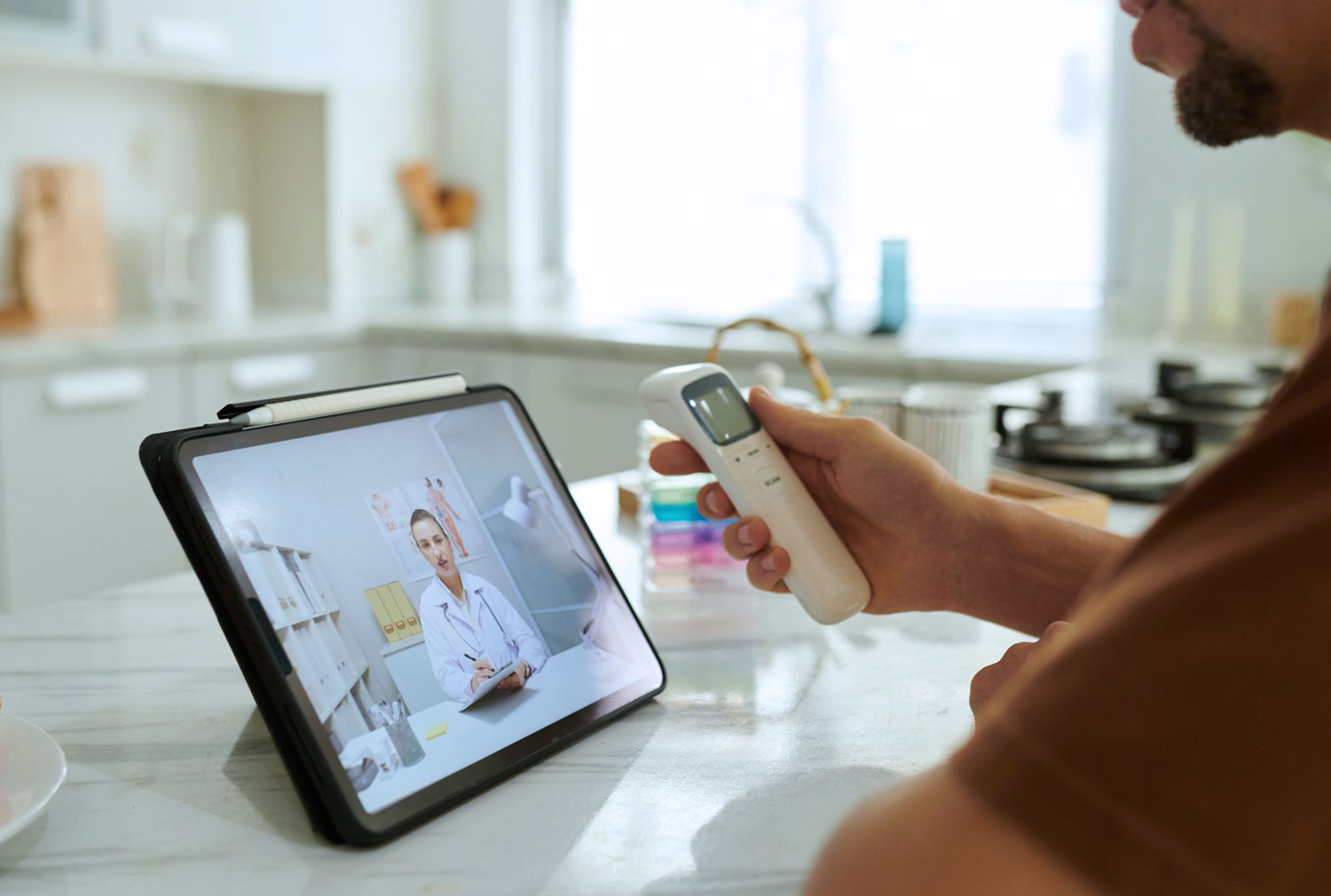


Running out of medication can feel stressful, especially when the next available appointment is weeks away or the pharmacy tells you your prescription is delayed. At HealthSpan Clinical Solutions, we view medication access as a core part of making healthcare simpler, more human, and focused on long-term health outcomes, not just short-term fixes. For many patients, the good news is that routine medication refills do not always require a long wait, an in-person visit, or a complicated process.
Modern care options, including secure messaging, virtual visits, and telemedicine prescriptions, can help patients refill medication online more efficiently when it is clinically appropriate. These tools are most effective when they are used within a thoughtful care model that prioritizes continuity, safety, and personalized decision-making. The key is knowing what type of refill you need, when clinician review is required, and how to avoid preventable delays, while staying connected to a care team that understands your broader health goals.
Why Medication Refills Get Delayed
Medication delays are common, and they are not always caused by one single issue. A refill can be slowed down by the pharmacy, the prescriber, the insurance plan, or missing clinical information.
Common reasons include:
- The prescription has expired.
- No refills remain on the prescription.
- The pharmacy is out of stock.
- The medication requires prior authorization.
- Your clinician needs updated labs, blood pressure readings, or a follow-up visit.
- The medication has safety concerns or interaction risks.
- You are using a controlled medication that requires additional prescribing safeguards.
For chronic medications, such as blood pressure, cholesterol, diabetes, thyroid, asthma, or some mental health medications, a delay can disrupt your treatment plan and impact long-term outcomes. Consistency in medication access is a foundational part of preventive, proactive care. That is why proactive refill planning matters.
What to Do Before You Run Out
The best time to handle a refill is before it becomes urgent. Try to review your medication supply at least once per week, especially if you take multiple prescriptions.
A practical refill checklist includes:
- Check the bottle or pharmacy app to see whether refills remain.
- Request refills 7 to 10 days before you run out.
- Confirm the dose, medication name, and pharmacy location.
- Ask whether your medication is in stock before the prescription is sent.
- Keep a current medication list with doses and instructions.
- Track when lab work or follow-up visits are due.
Auto-refill can be helpful, but it is not perfect. You should still confirm that the prescription is active, the pharmacy has inventory, and your clinician does not need an updated review.
Can You Refill Medication Online?
In many cases, yes. Patients can often refill medication online when the prescription is for a stable, ongoing condition and the medication has been used safely before.
Online refills may be appropriate for certain maintenance medications, such as medications for:
- High blood pressure
- High cholesterol
- Thyroid disease
- Diabetes
- Asthma or allergies
- Acid reflux
- Certain preventive or long-term care needs
However, an online refill is not always the right choice. You may need a clinician visit if you have new symptoms, side effects, abnormal lab results, a new diagnosis, pregnancy, medication interactions, or a medication that requires closer monitoring.
A legitimate online refill should still include clinical review. At HealthSpan, this reflects a commitment to human-centered care, where convenience never replaces thoughtful clinical judgment. The goal is not simply to “get a prescription,” but to confirm that the medication is still appropriate, safe, and effective for your current health status.
How Telemedicine Prescriptions Work
Telemedicine prescriptions allow a licensed clinician to review your medication needs through a virtual care process. This may include a video visit, secure intake form, medication history review, pharmacy confirmation, and safety screening.
During a telemedicine refill visit, a clinician may ask:
- What medication are you taking?
- What dose and schedule do you use?
- Why was it originally prescribed?
- How long have you taken it?
- Are you having side effects?
- Have there been any recent health changes?
- Do you have recent blood pressure readings, labs, or home monitoring data?
- What other prescriptions, supplements, or over-the-counter medications do you use?
For many routine medications, this process can be faster than waiting for a traditional office appointment, while still preserving a high standard of clinical oversight and personalized care. For higher-risk medications, controlled substances, or complex conditions, additional steps may be required.
Fast Prescription Refill Options
If you need a fast prescription refill, start with the simplest path first, ideally within a coordinated care approach that reduces friction without sacrificing safety.
1. Contact Your Current Prescriber
Your current clinician already knows your history. Use the patient portal, refill line, or office messaging system. Include the medication name, dose, pharmacy, how many pills you have left, and whether you are having symptoms or side effects.
2. Ask the Pharmacy to Send a Refill Request
Many pharmacies can electronically request a refill from your prescriber. This can be useful when the prescription has expired or is out of refills.
3. Use a Virtual Care Visit
A virtual care visit may help when you cannot get an appointment quickly, especially for routine maintenance medications. A clinician can review your medication history and determine whether a refill is appropriate.
4. Confirm Pharmacy Stock
Before a prescription is sent, ask whether your pharmacy has the medication available. If not, another pharmacy may have it in stock. This step can prevent an avoidable delay.
5. Consider Mail-Order or Verified Online Pharmacies
For long-term maintenance medications, mail-order or verified online pharmacies may reduce refill friction. Use only legitimate, verified pharmacies and avoid websites that offer prescriptions without appropriate clinical review.
Safety Checks Before Accepting a Refill
Fast should still mean safe. Simplicity in healthcare should never come at the expense of accuracy, clarity, or patient understanding. Before taking a refilled medication, check:
- The medication name
- The dose
- The instructions
- The prescribing clinician
- The pharmacy label
- The pill appearance
- The expiration date
Pills may look different if the pharmacy uses a different manufacturer, but you should always ask the pharmacist if something looks unfamiliar.
You should also avoid online pharmacies that do not require a prescription, do not list a licensed pharmacist, offer unusually low prices that seem unrealistic, or ship medications from unclear sources.
When You Should Not Wait
Some medications should not be stopped suddenly without medical guidance. Contact a clinician promptly if you are running low on medications for:
- Heart disease
- High blood pressure
- Diabetes
- Seizures
- Serious mental health conditions
- Thyroid disease
- Blood thinning
- Asthma or COPD
- Transplant care
You should also seek urgent medical guidance if you have chest pain, trouble breathing, severe weakness, confusion, fainting, allergic symptoms, suicidal thoughts, or symptoms that feel dangerous or rapidly worsening.
How to Make Refills Easier Next Time
A proactive refill system can prevent most last-minute medication gaps and supports a more stable, long-term approach to health management.
Consider these habits:
- Schedule follow-ups before prescriptions expire.
- Ask whether 90-day fills are appropriate.
- Keep one pharmacy as your main pharmacy when possible.
- Maintain a current medication list.
- Track labs or monitoring requirements.
- Request refills before travel.
- Ask your clinician when a virtual refill visit is appropriate.
At HealthSpan Clinical Solutions, medication access is part of a broader care model: human-centered care, simple and smart technology, and proactive prevention. The goal is not just to refill a prescription quickly. It is to help you stay consistent, informed, and supported over time.
A Smarter Way to Manage Medication Refills
Medication refills should not feel like a crisis every month. When care is designed around the patient, supported by simple technology, and focused on prevention, refill management becomes predictable and manageable. With better planning, digital access, and clinician-guided virtual care, many patients can avoid long waits and reduce the risk of missed doses.
If you are running low, start by checking your refill status, contacting your pharmacy, and asking whether a telemedicine prescription is appropriate. The goal is not just speed, but continuity, ensuring your care remains aligned with your long-term health plan. For stable maintenance medications, online refill options may help you get care faster while still prioritizing safety.
Need Help With a Medication Refill?
If you need guidance on a fast prescription refill or want to explore modern care options, contact HealthSpan Clinical Solutions.